
The Erasmus+ Summer School 2026 is a unique capacity-building experience targeted to the beneficiaries of Erasmus+ KA1 grants in the fields of School Education, Vocational Education and Traning, and Adult Education.
Participants can choose to attend courses focused on the four priorities of the Erasmus+ programme, namely: Inclusion and Diversity, Digital Transformation, Environment and Fight Against Climate Change, Participation in Democratic Life, Common Values and Civic Engagement.
Programme
Sunday 26 July
- Arrival in Granada during the day and welcome session
Monday 27 – Friday 31 July
- 7:30 – 9:00 Breakfast
- 9:30 – 13:30 Structured training course (30 min break)
- 14:00 – 15:00 Lunch (FB option)
- 15:00 – 20:00 Bookable tours or free time
- 21:00 – 22:00 Dinner (FB option)
Saturday 01 August
- (Optional) Full-day tour to Malaga
Sunday 02 August
- Departure of participants
Participation Fee
Covered by the Erasmus+ Grant*
For registrations up to 30 April 2026, the participation fee is
€ 1200,00 per person.
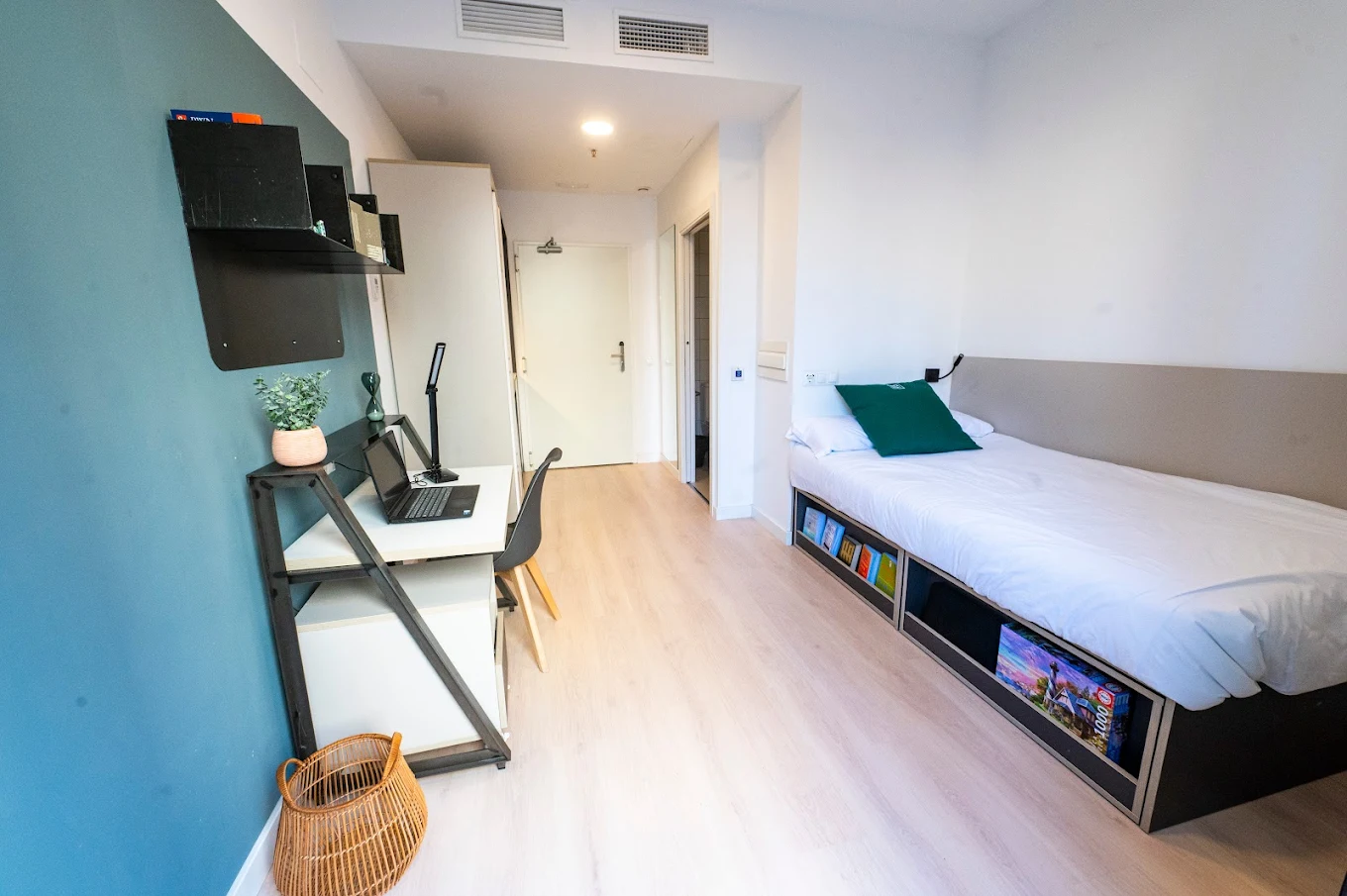
- B&B accommodation in a single room at Residencia Bravo Granada from Sunday 26 July to Saturday 01 August (6 nights)
- Course fee for attending one of the courses available in the Summer School catalogue (5 days)
- 1 half-day bookable excursion from Monday to Friday
- Administrative and certification costs
* Travel costs from your Country to the venue of the Summer School are NOT included
Bookable Services
and Top-Ups*
- Additional night + full-day to Malaga on 01 August – € 100,00
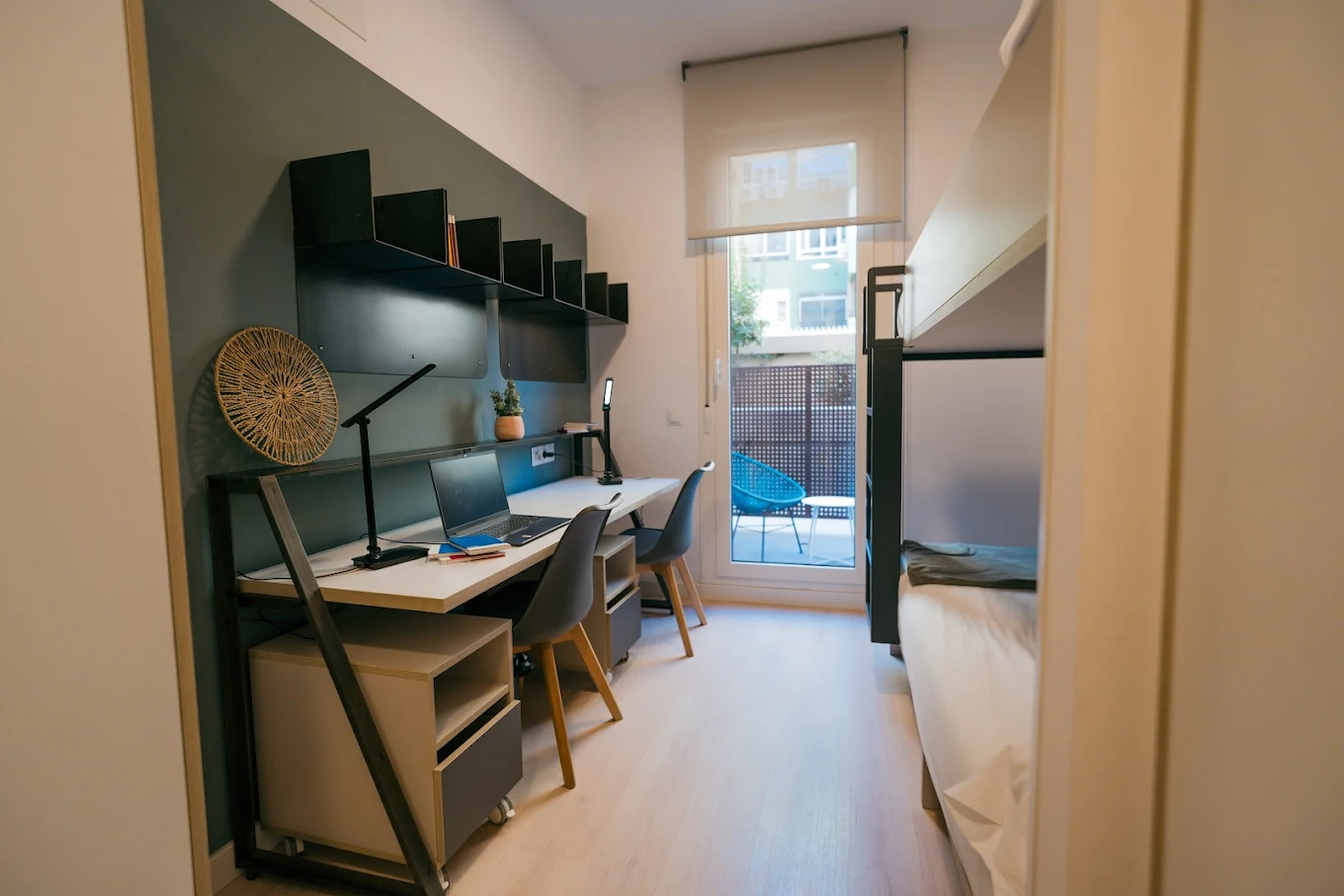
- Accompanying person in double room with bunk bed
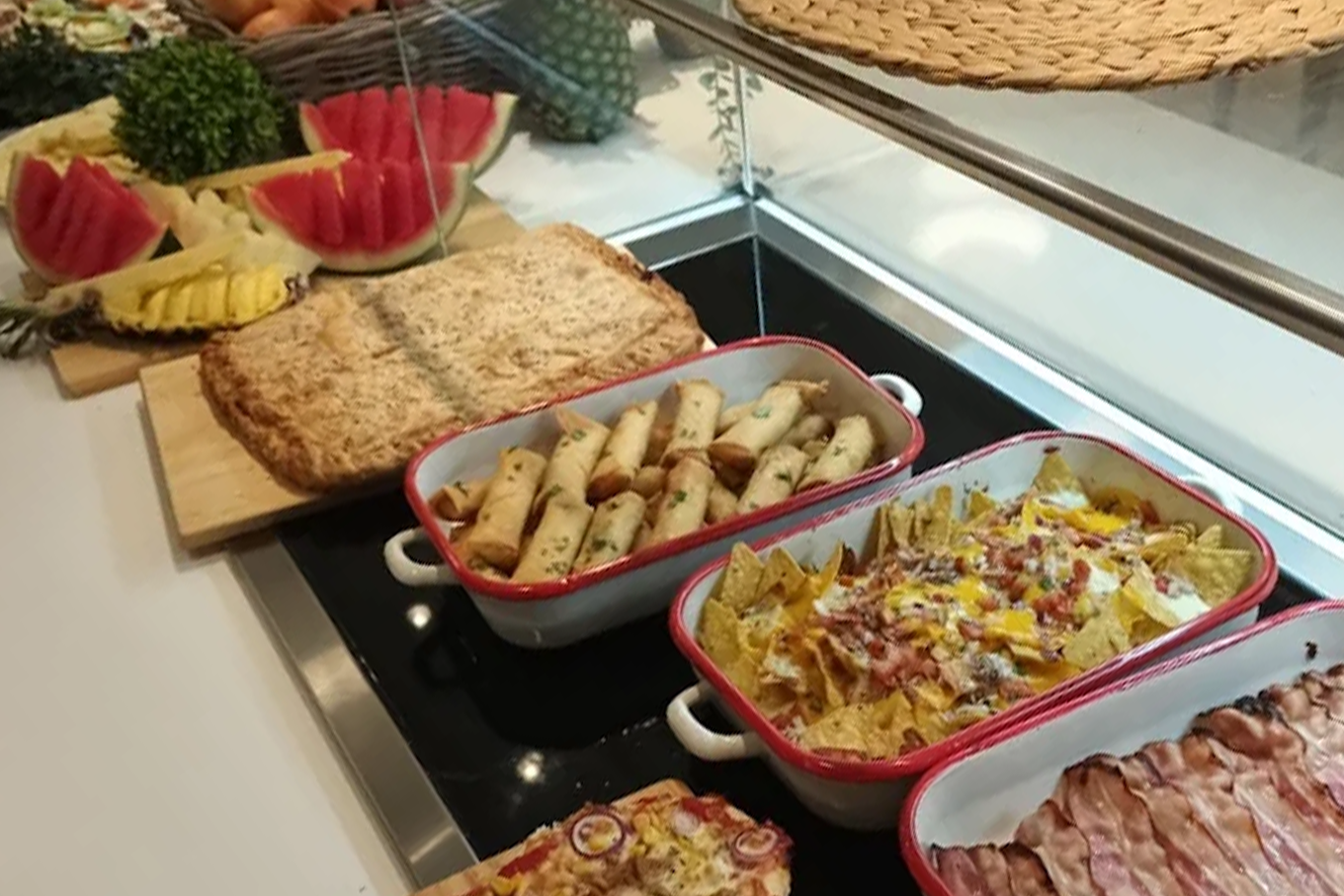
(6 nights: € 240,00 / 7 nights + excursion: € 320,00) - Full board at Residencia Bravo Granada: lunch + dinner buffet
(7 days: € 175,00 / 8 days: € 200,00) - Round trip transfer Malaga Airport/Granada – € 35,00/person
- Half-day bookable tours – € 30,00/person (Daily transfer to Almuñécar seaside; Guided tour of Alhambra; Guided tour of Nasrid Palaces; and many others)
If you register by 28 February 2026, the participation fee will only be € 1100,00!
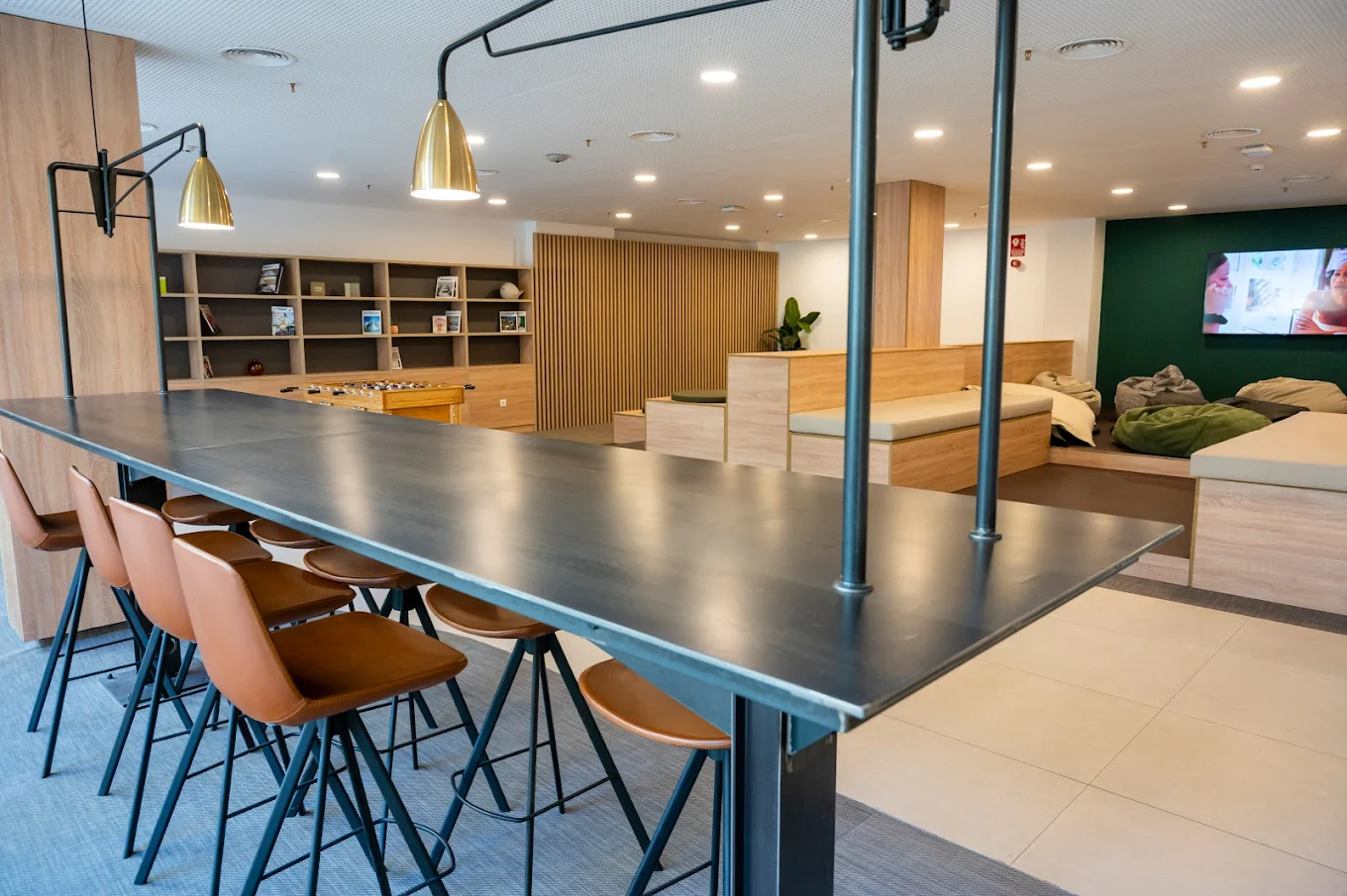
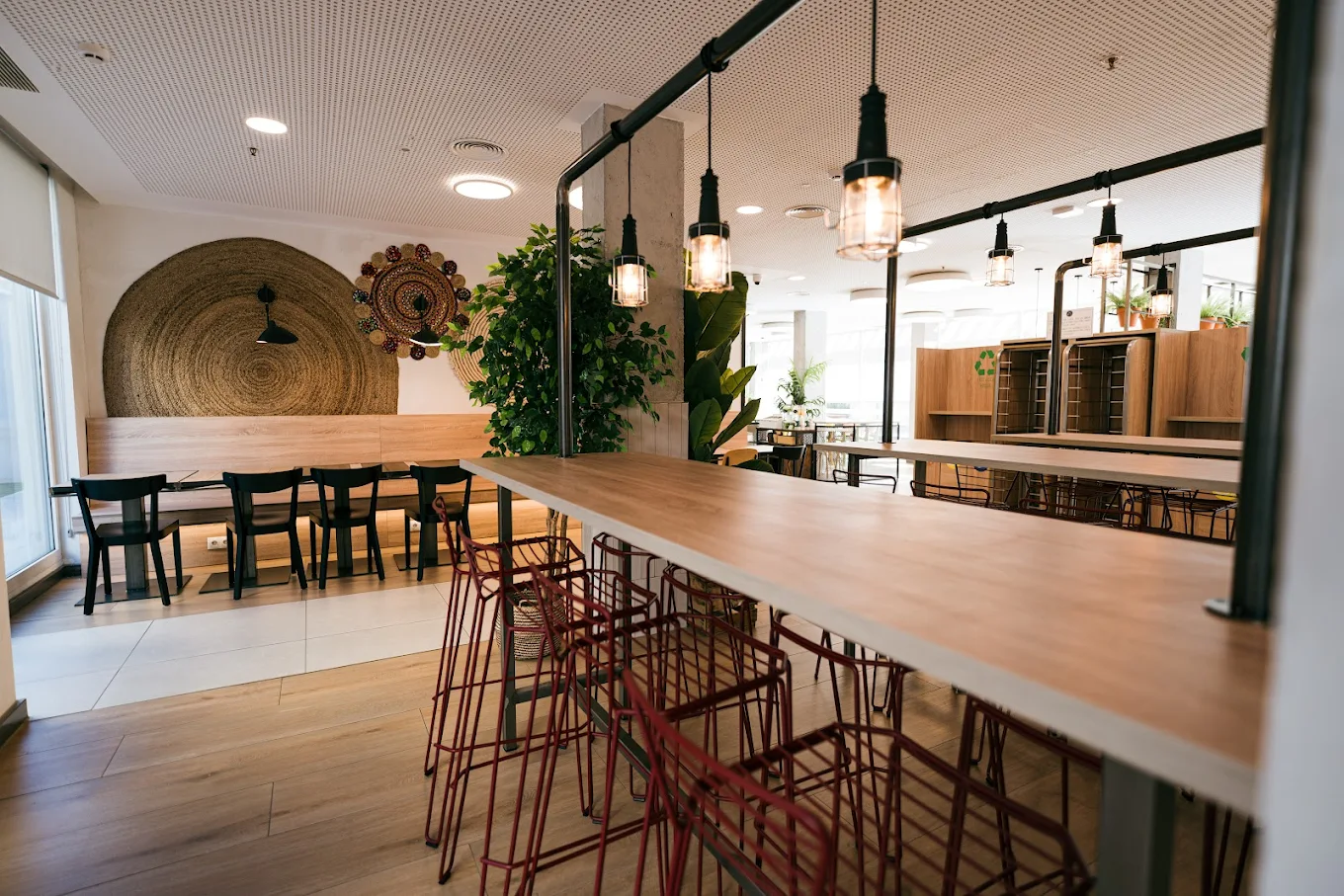
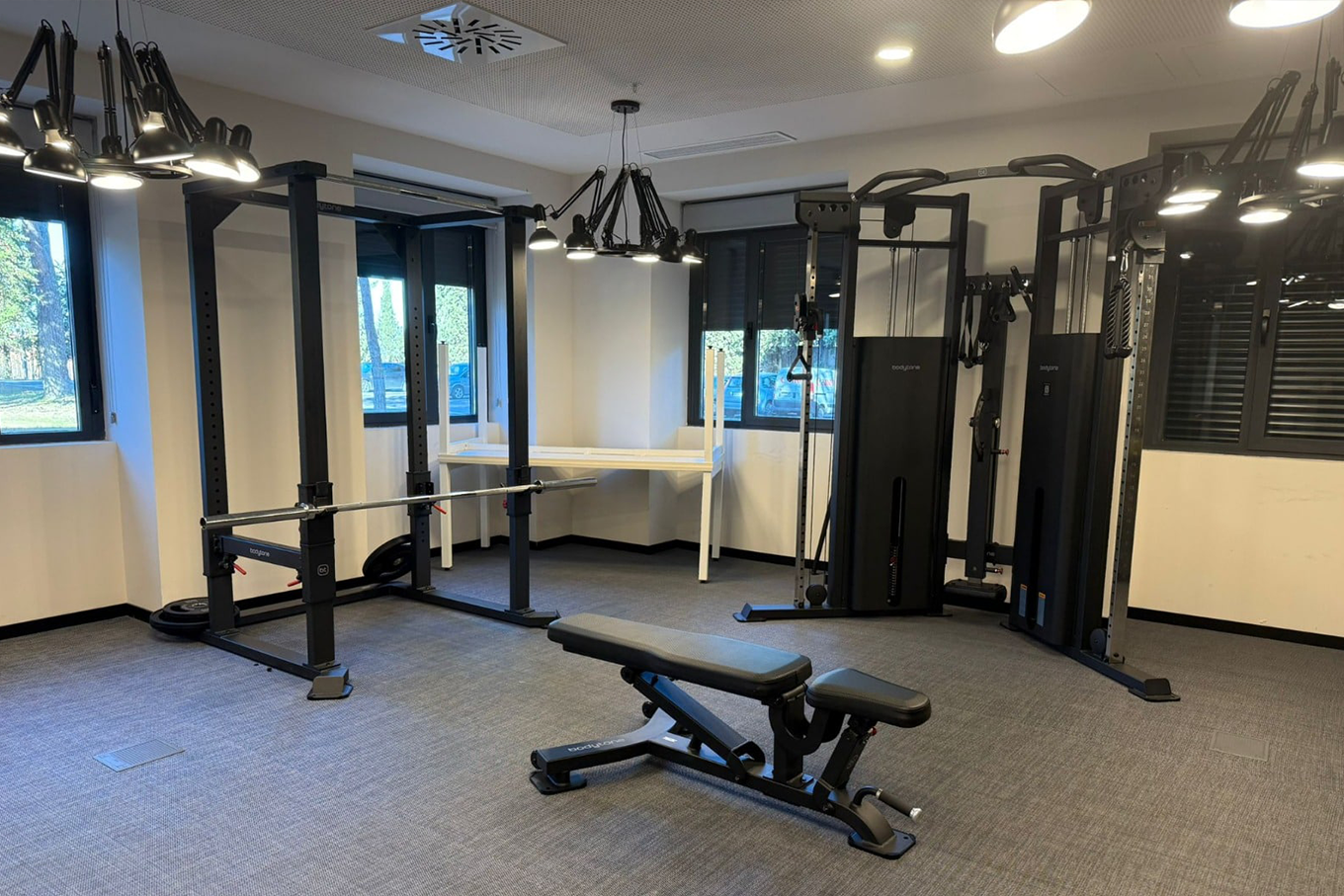
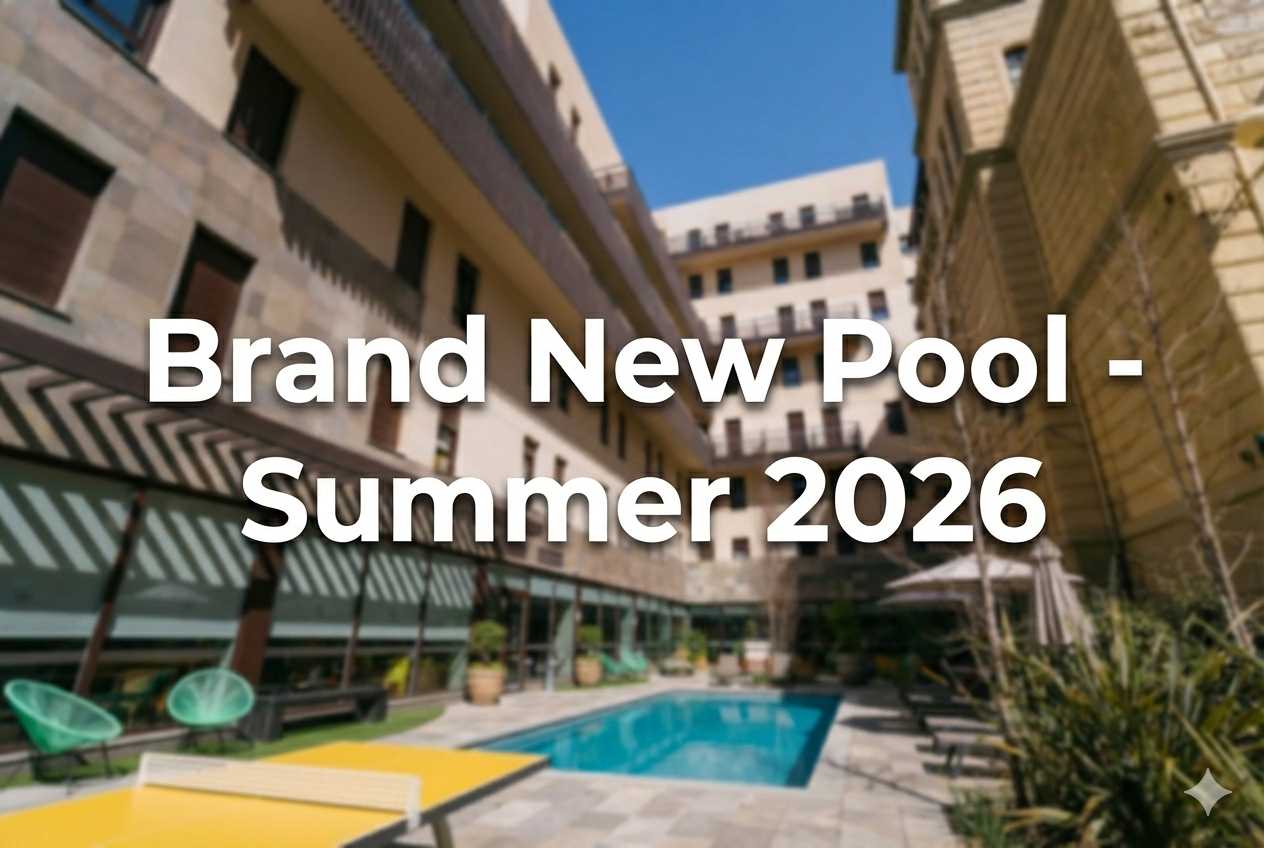
A week at the Residencia Bravo Granada
The Summer School 2026 Courses
Inclusion and diversity in the classroom
Practical tools for supporting students with special educational needs
Training Objectives
Throughout this course, educators will explore what inclusion looks like in everyday classroom life and how to make it practical, sustainable, and effective. Participants will learn to observe and understand differences in learning pace, attention, communication, and participation, approaching diversity as a normal part of teaching rather than a problem to solve.
The training focuses on concrete strategies to manage each phase of the lesson: from starting the class and organizing the group, to adapting activities, guiding learning, and closing the lesson with purpose. Special attention is given to communication and motivation, helping teachers respond to individual needs with greater confidence while building a classroom climate where all students can participate and learn more equitably.
Course Programme
- Monday 27: Understanding inclusion as a continuous process; common everyday scenarios; teacher mindset and priorities.
- Tuesday 28: Routines, classroom organization, and managing transitions; creating predictable structures that reduce stress and support engagement.
- Wednesday 29: Differentiation in practice; adapting tasks, materials, and instructions; ensuring access without lowering expectations.
- Thursday 30: Supportive communication strategies; promoting participation; responding to individual needs while keeping the whole class on track.
- Friday 31: Reflection and consolidation; classroom climate and positive coexistence; practical guidelines to sustain equitable learning over time.
- Saturday 01: Final assessment and certificates award
Quality Mobility Projects
Planning, coordinating and managing quality mobility projects in Erasmus+
Training Objectives
This course guides participants through the full journey of organizing and leading a group trip abroad with minors, offering a clear and practical overview of each phase: from departure to return. Participants will learn how to plan key logistics such as flights, transfers, accommodation, and activities, while coordinating effectively with all stakeholders involved and understanding the responsibilities that come with supervising a group during a short stay, typically around one week.
The training course will be structured in theoretical and practical sessions, allowing you to experience the entire process of a KA122 project implementation & reporting.
Course Programme
- Monday 27: Purpose, roles and responsibilities, risk awareness, and what it means to organise a mobility project.
- Tuesday 28: Building the travel plan: flights, transfers, accommodation, schedules, documentation, and budgeting essentials.
- Wednesday 29: Communication flows, time management and decision making in emergency situations.
- Thursday 30: Implementation Phase – Bringing Your Project to Life
- Friday 31: Finalizing and Reporting Your Project
- Saturday 01: Final assessment and certificates award
Easy Digital Design
Graphic and Web Content Processing for Beginners
Training Objectives
The course focuses on media literacy in the fields of graphic design, audio-visual production, digital storytelling and website management.
Divided into small groups, participants will collaborate in the realisation of a creative digital project, using simple software available online including: online collaboration platforms, graphic editing, audio-video recording and editing, publication, promotion, and management of a project for the Web.
Course Programme
- Monday 27: Group creation and graphics basics
- Tuesday 28: Online tools for easy graphic design, how to design a logo, producing graphics for social networks
- Wednesday 29: Basics of managing a WordPress website, writing articles and creating pages.
- Thursday 30: Basics of managing social networks, how to choose the best one, planning campaigns and writing posts.
- Friday 31: Working on projects in teams
- Saturday 01: Final assessment and certificates award
Generative AI for Education
A hands-on course for educators to use generative AI ethically and effectively for lesson design, feedback, inclusion, and student learning.
Training Objectives
This course gives educators a clear, practical understanding of generative AI and how to use it safely and responsibly in school contexts. Participants learn what these tools can and can’t do, how to check output quality, and how to manage key issues such as privacy, bias, and reliability.
Teachers will also practice concrete applications: creating lessons and materials, differentiating activities, supporting inclusion, speeding up feedback, and designing assessments that promote integrity and critical thinking. By the end, participants will have ready-to-use workflows, prompt templates, and classroom guidelines to integrate AI in a controlled and effective way.
Course Programme
- Monday 27: AI basics, opportunities, limits, risks
- Tuesday 28: Prompting strategies and quality checking
- Wednesday 29: Lesson planning and differentiation with AI
- Thursday 30: Assessment, feedback, and academic integrity
- Friday 31: Implementation, privacy, policy, and AI literacy in class
- Saturday 01: Final assessment and certificates award
Digital Storytelling 4 SDGs
Digital Storytelling to communicate the Sustainable Development Goals
Training Objectives
The objective of the training course is to provide participants with a specific methodology to implement global citizenship education using the Digital Storytelling technique both in schools and in non-formal educational settings.
The course aims to address crucial training needs that are emerging among young people, such as intercultural and transcultural competences, critical thinking, collaborative and project-based learning, creativity and digital literacy.
Course Programme
- Monday 27: Let’s warm up! Ideational process and creative thinking. Writing practices and digital storytelling as a systemic process
- Tuesday 28: Narrative techniques and concept development. How research can improve the quality of a project. The ‘story circle’ methodology. Synopsis, script and storyboard
- Wednesday 29: Filming techniques
- Thursday 30: The practice of film and video editing
- Friday 31: The 2030 Agenda Academy: The Sustainable Development Goals reveal immense potential in terms of digital storytelling production and social action
- Saturday 01: Final assessment and certificates award
Stop-Motion Video Making
Plan, shoot, and edit stop-motion videos with students: turning ideas into engaging learning projects.
Training Objectives
This course introduces educators to stop-motion as a creative and accessible video technique for classroom projects. Participants will learn the core workflow—from concept and storyboard to shooting and editing—using simple materials and widely available devices. The training highlights how to keep production realistic in school settings, with clear roles, timing, and classroom-friendly organization.
Teachers will practice techniques to improve visual quality (framing, lighting, stability), create smooth motion, and add sound, titles, and narration for a finished educational product. By the end of the course, participants will be able to guide students through a complete stop-motion project, assess the process and outcomes, and adapt activities to different ages, subjects, and learning needs.
Course Programme
- Monday 27: Stop-motion basics, examples, project goals
- Tuesday 28: Pre-production: idea, script, storyboard, roles, materials
- Wednesday 29: Shooting: setup, lighting, camera stability, animation techniques
- Thursday 30: Editing: sequencing, timing, sound, titles, export
- Friday 31: Classroom implementation: teamwork, assessment, inclusion, showcase and reflection
- Saturday 01: Final assessment and certificates award